Preparing audio…
Line: Shall I compare thee to a summer's day? Meaning: The poet wonders if he should compare his friend to a beautiful day in summer. Word Guide: Thee (You).
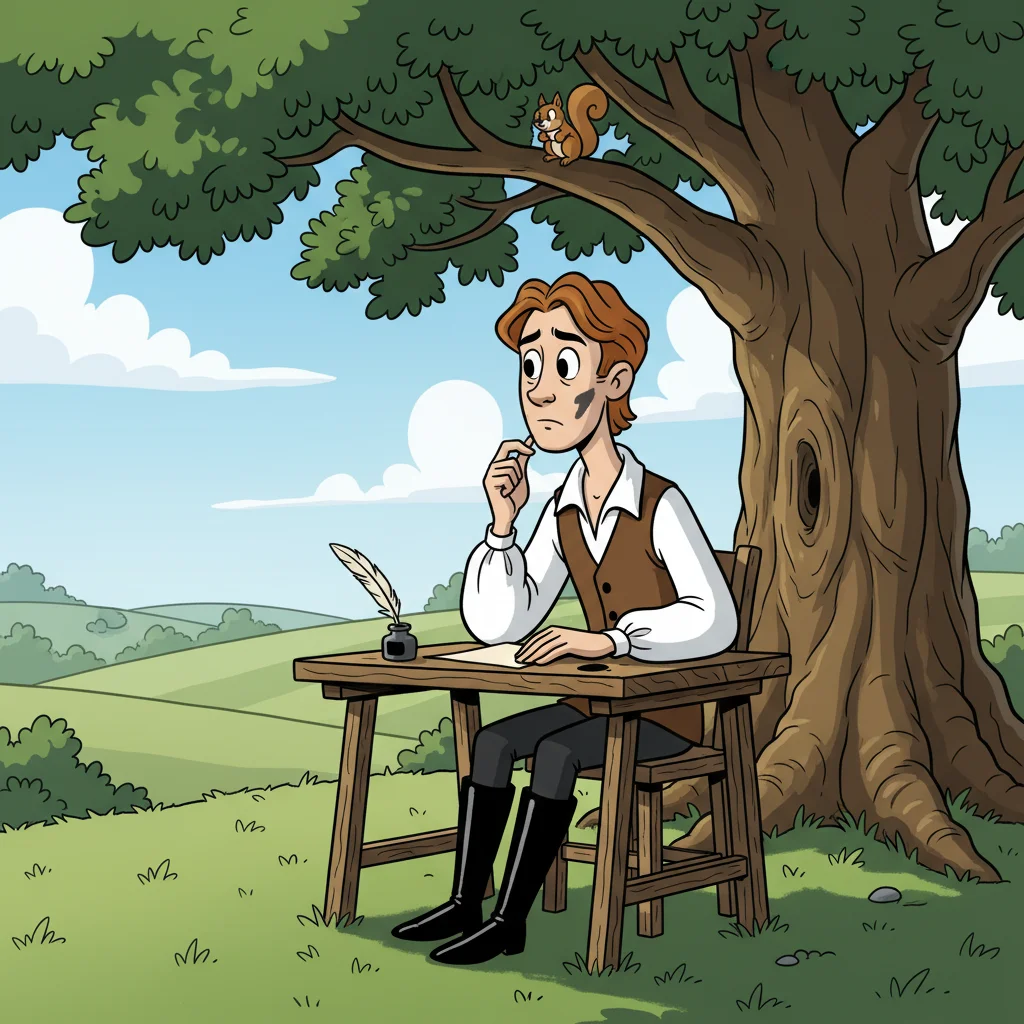
Line: Shall I compare thee to a summer's day? Meaning: The poet wonders if he should compare his friend to a beautiful day in summer. Word Guide: Thee (You).
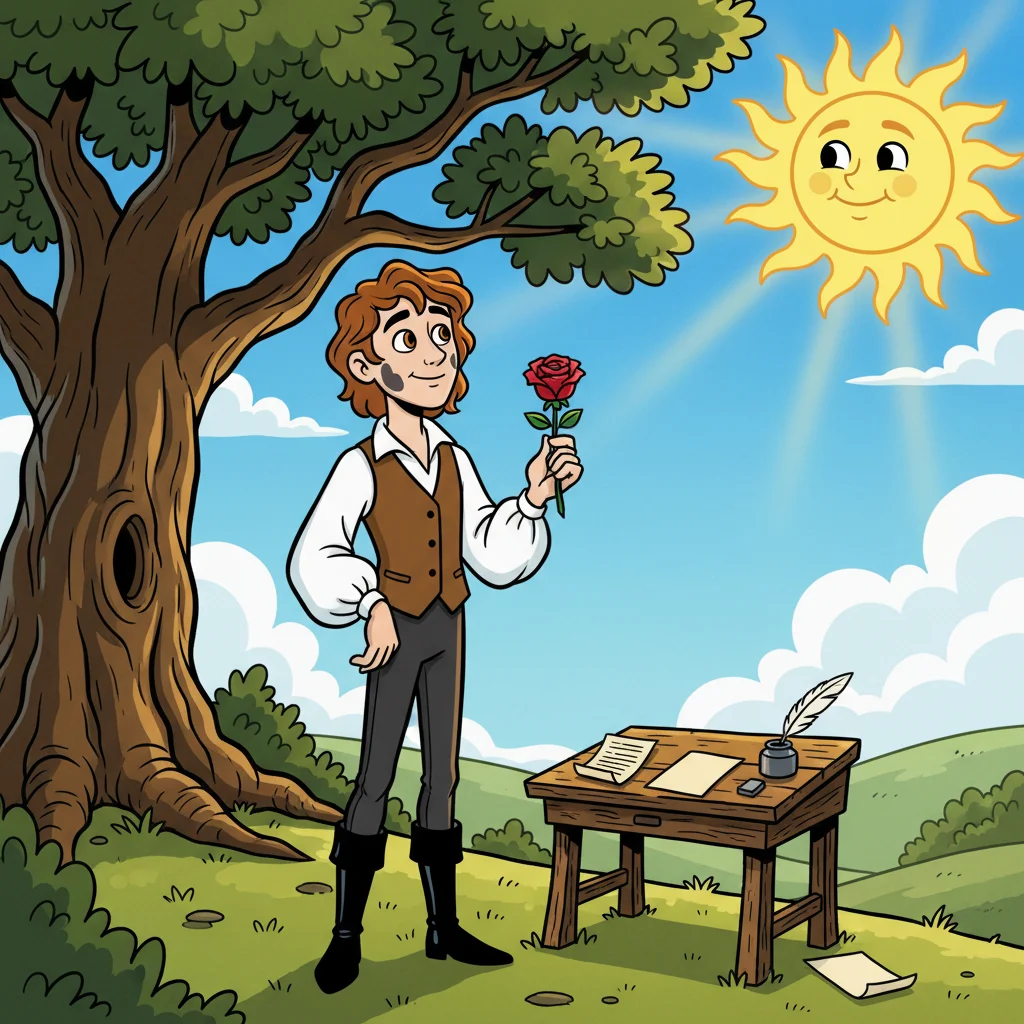
Line: Thou art more lovely and more temperate: Meaning: He decides his friend is even nicer than summer because summer can be extreme, but his friend is gentle. Word Guide: Thou (You); Temperate (Mild and calm).
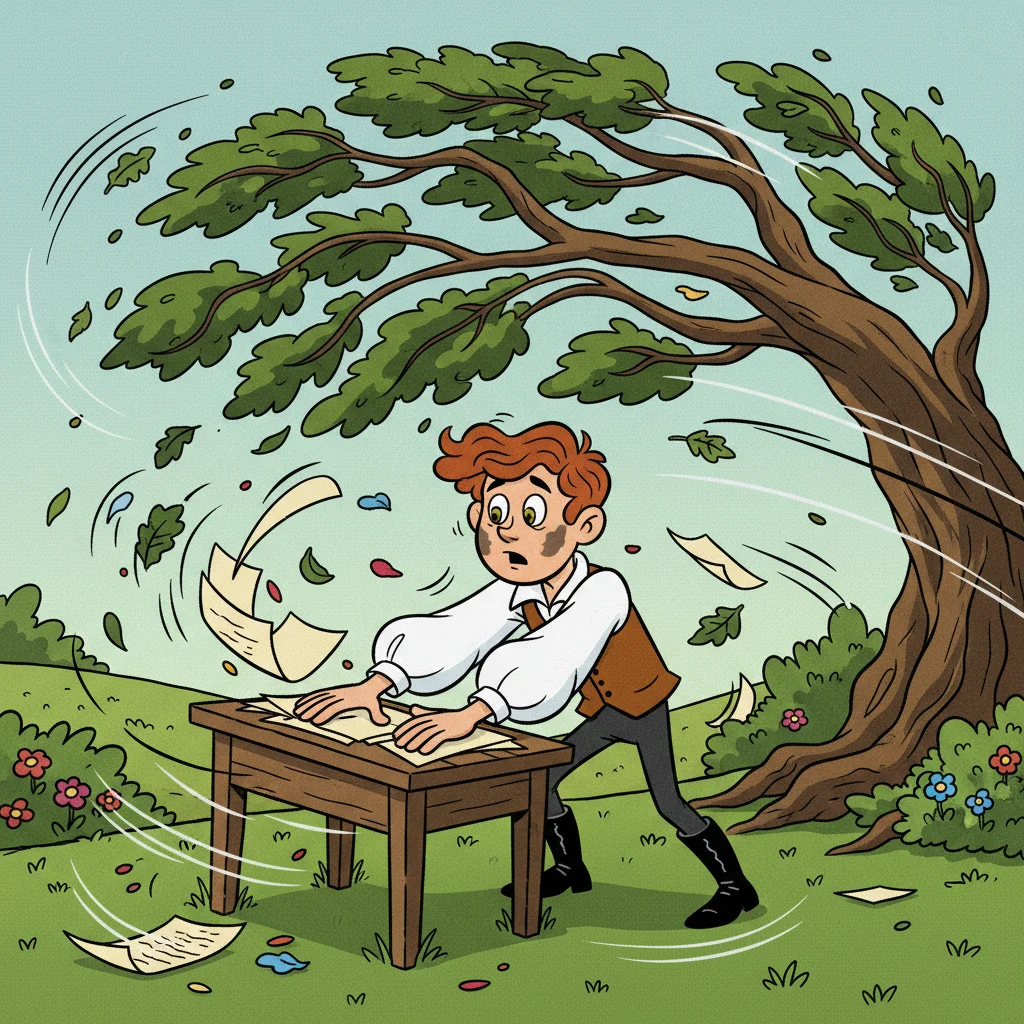
Line: Rough winds do shake the darling buds of May, Meaning: Sometimes in early summer, strong winds blow the pretty new flower buds. Word Guide: Darling (Dear/Beloved); Buds (Young flowers).
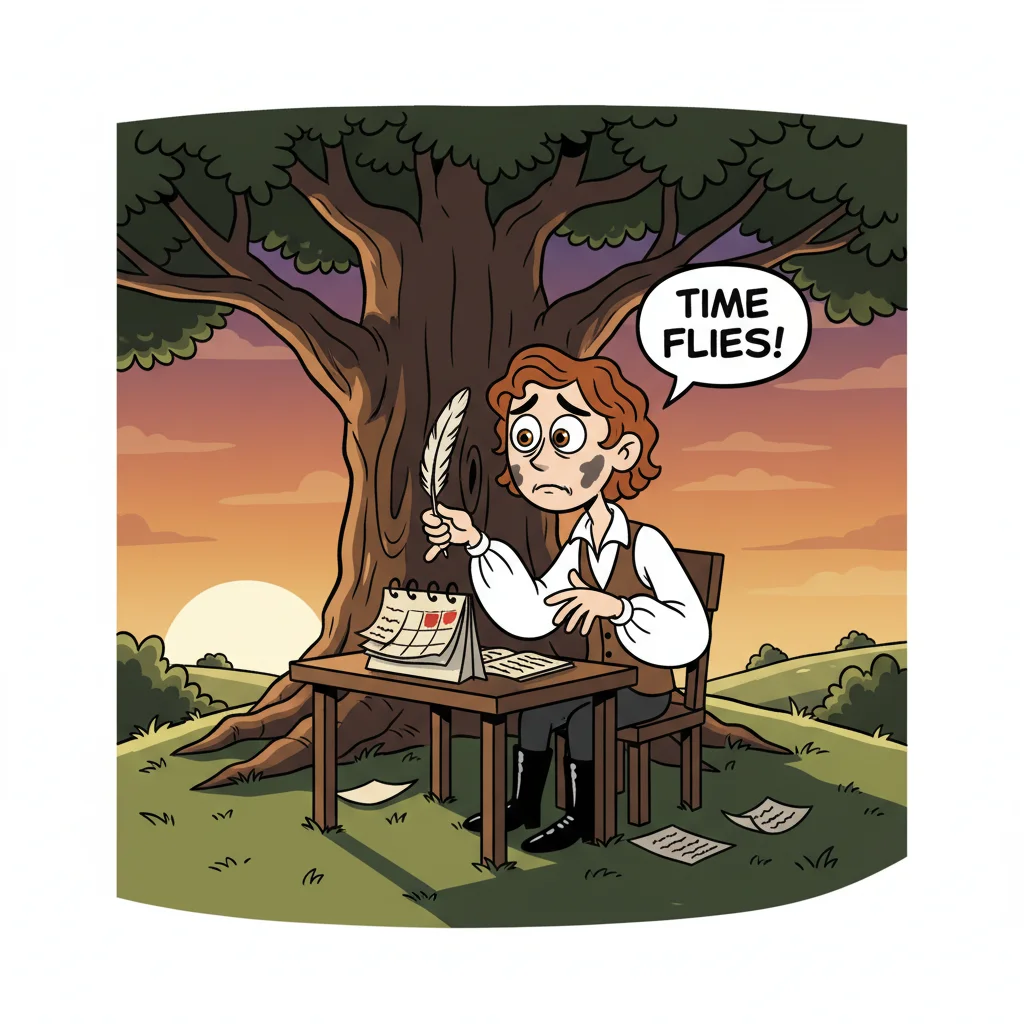
Line: And summer's lease hath all too short a date: Meaning: Summer feels like it is rented for only a short time; it ends too quickly. Word Guide: Lease (A rental agreement); Date (Duration/Time).
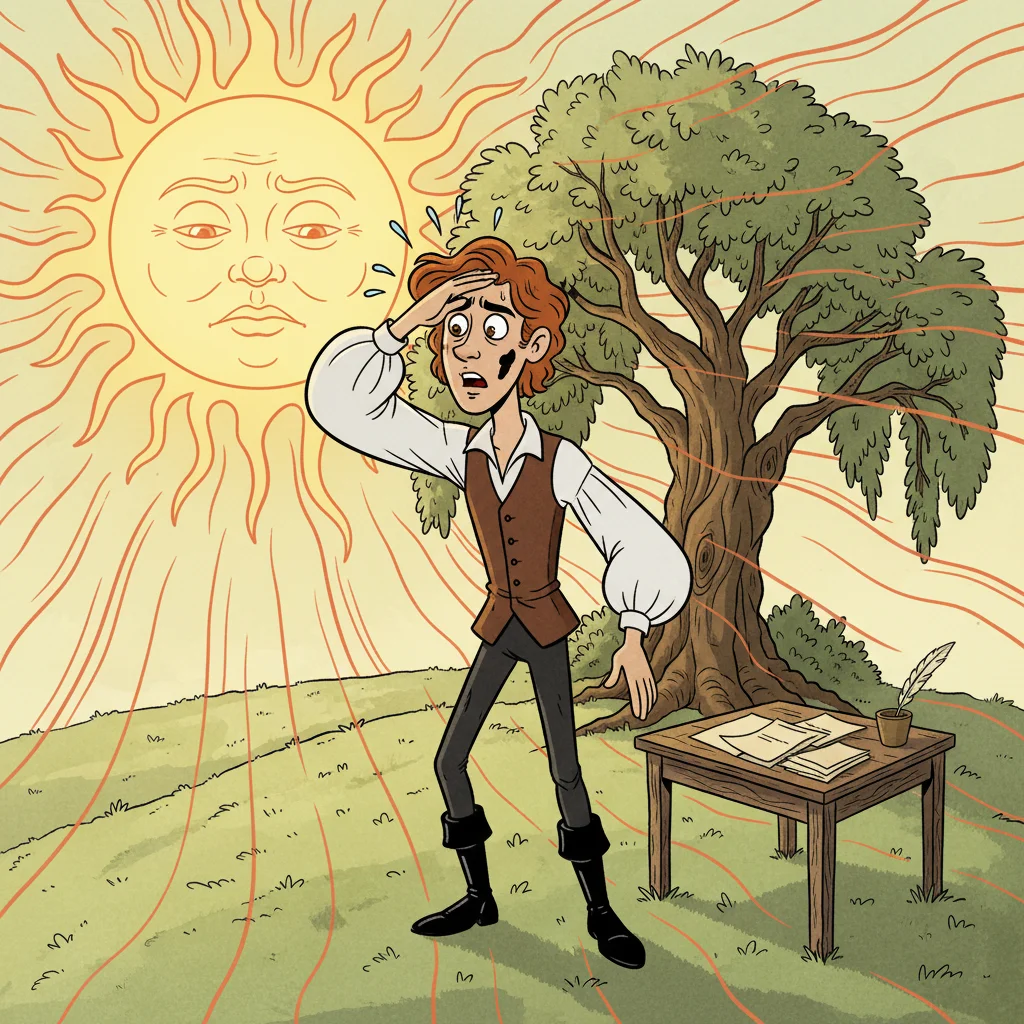
Line: Sometime too hot the eye of heaven shines, Meaning: Sometimes the sun (the eye of heaven) is way too hot and uncomfortable. Word Guide: Eye of heaven (The Sun).
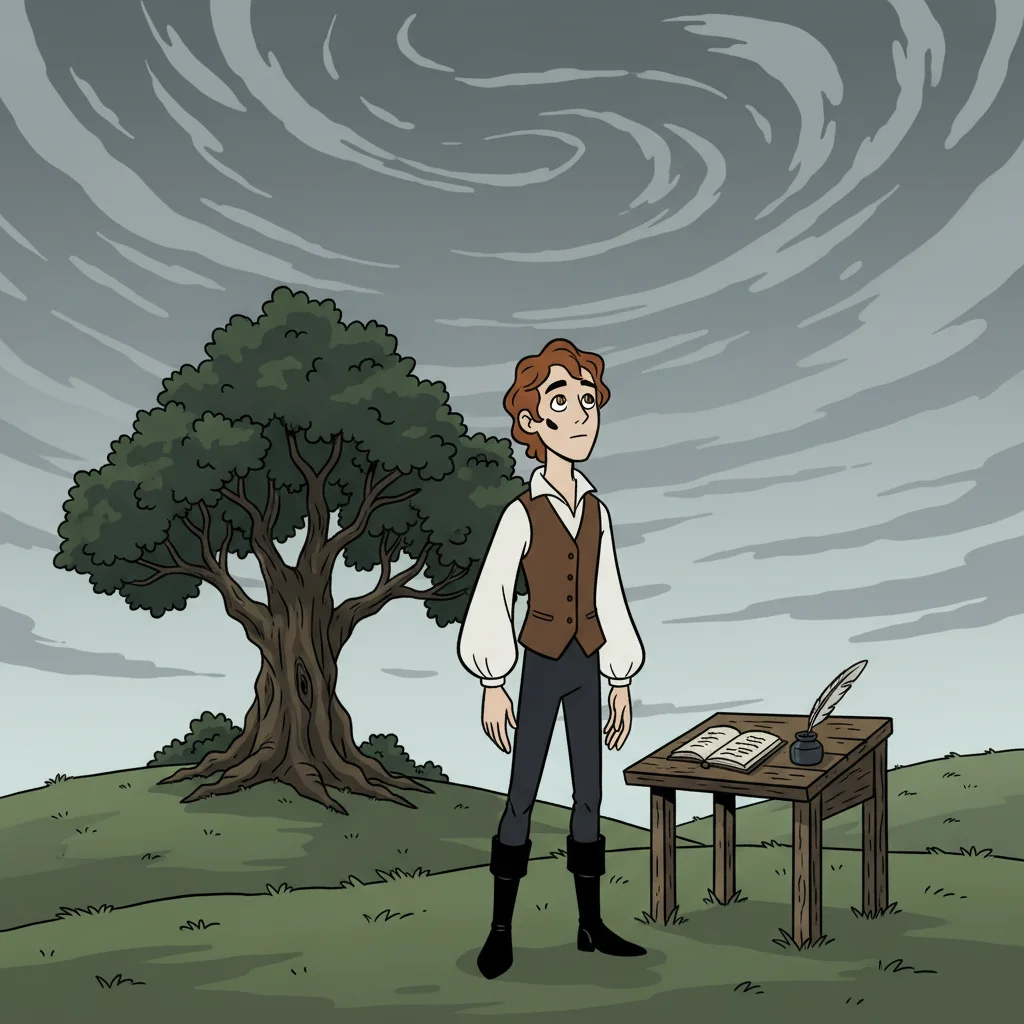
Line: And often is his gold complexion dimm'd; Meaning: And often clouds come out and hide the sun's golden face. Word Guide: Complexion (Face color); Dimm'd (Made dark).
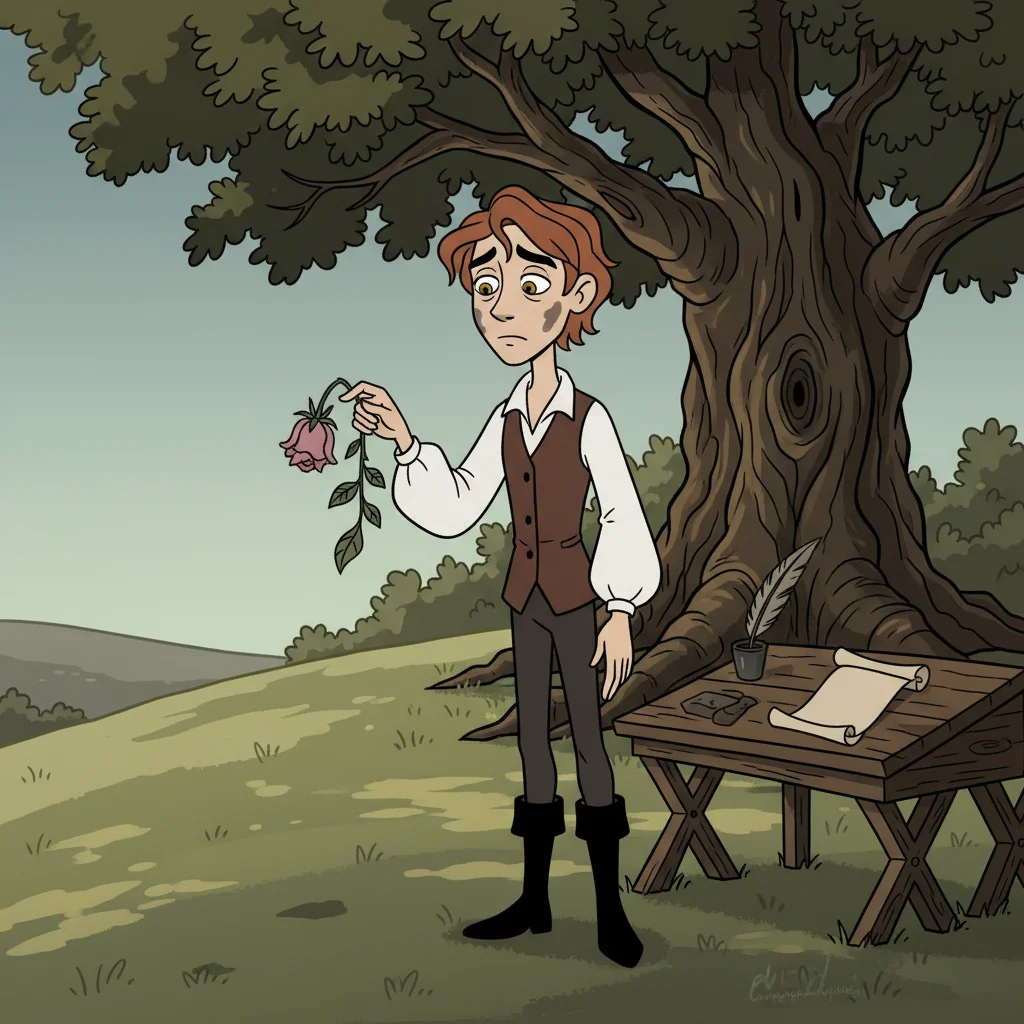
Line: And every fair from fair sometime declines, Meaning: Everything that is beautiful eventually stops being beautiful or fades away. Word Guide: Fair (Beautiful); Declines (Goes down/Fades).
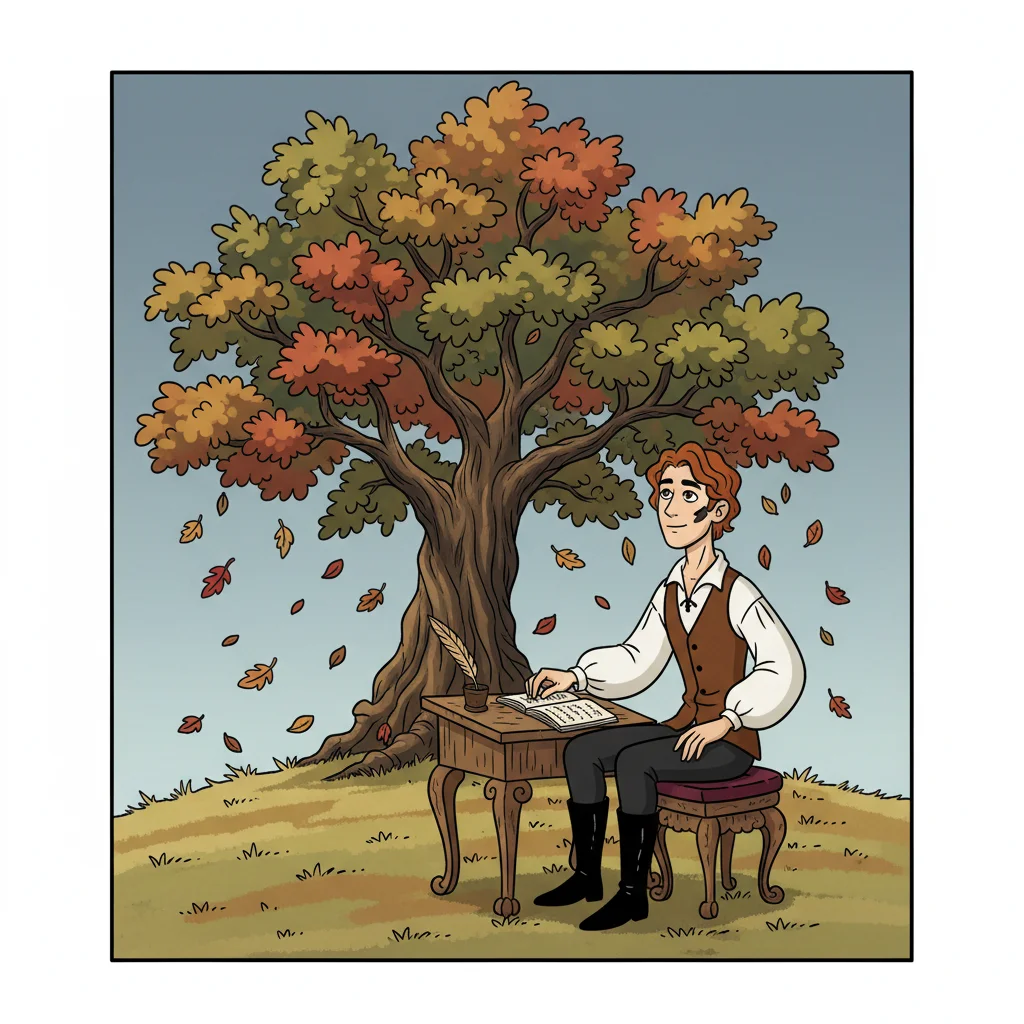
Line: By chance or nature's changing course untrimm'd; Meaning: Beauty is lost either by bad luck or just because time passes and seasons change. Word Guide: Untrimm'd (Messy/Stripped of decoration).
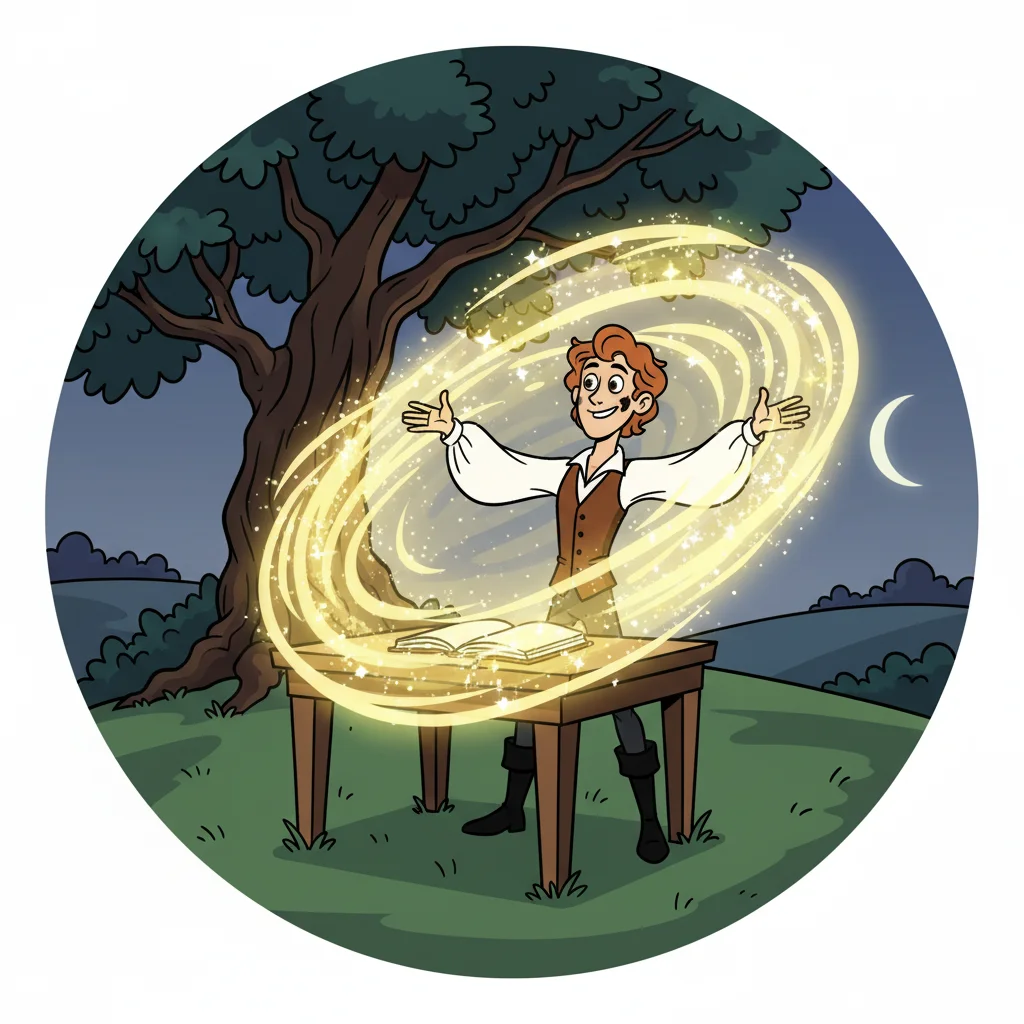
Line: But thy eternal summer shall not fade, Meaning: But YOU (the poem's subject) will be like a summer that lasts forever. Word Guide: Thy (Your); Eternal (Lasting forever).
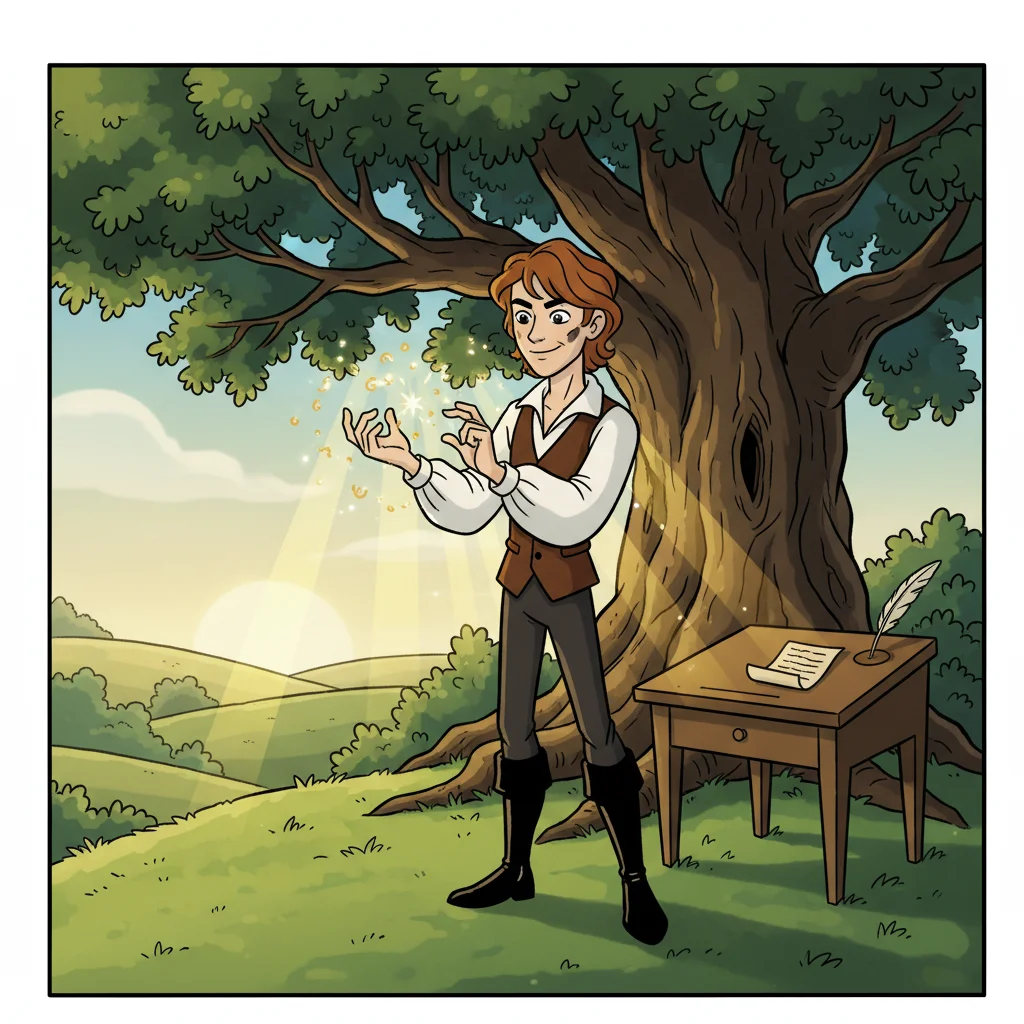
Line: Nor lose possession of that fair thou owest; Meaning: You will not lose the beauty that belongs to you. Word Guide: Owest (Own/Possess).
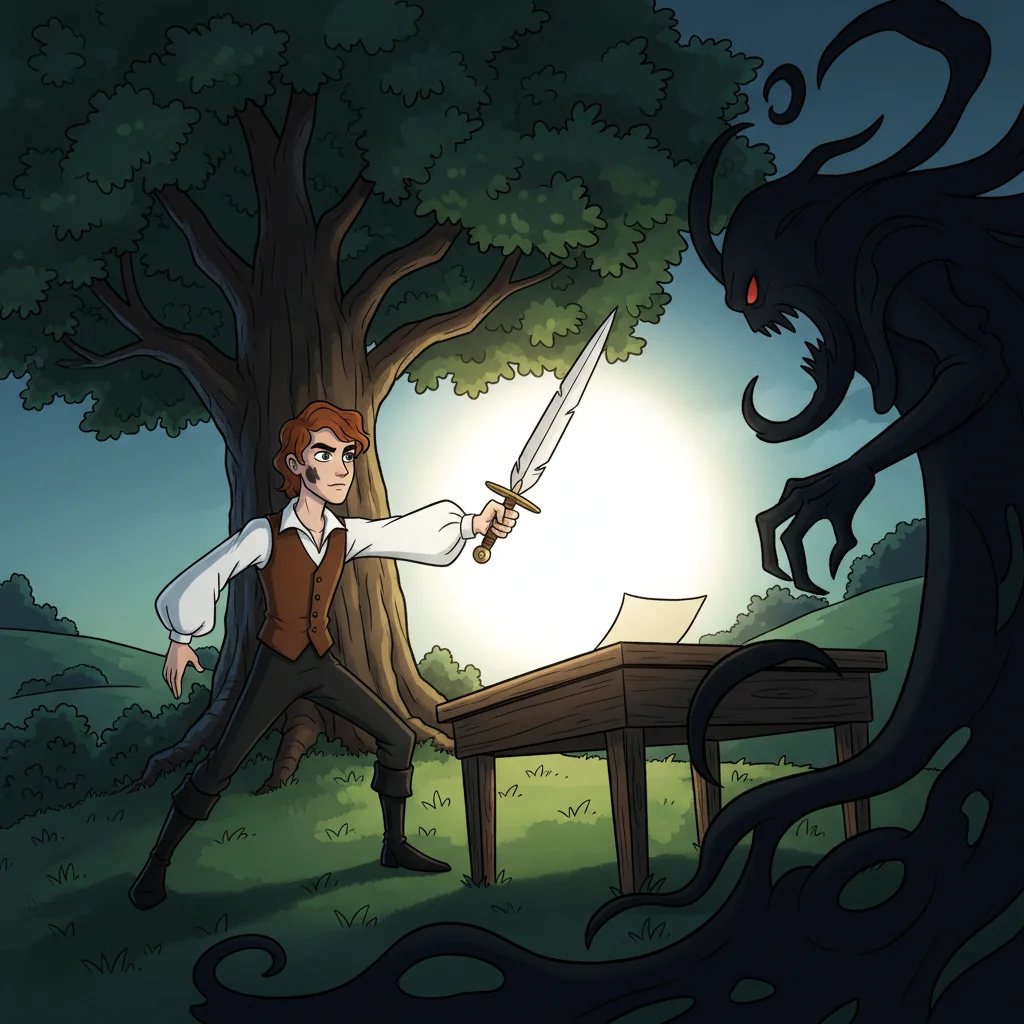
Line: Nor shall Death brag thou wander'st in his shade, Meaning: Even Death cannot claim you or brag that you are gone. Word Guide: Brag (Boast); Shade (Shadow/Darkness).
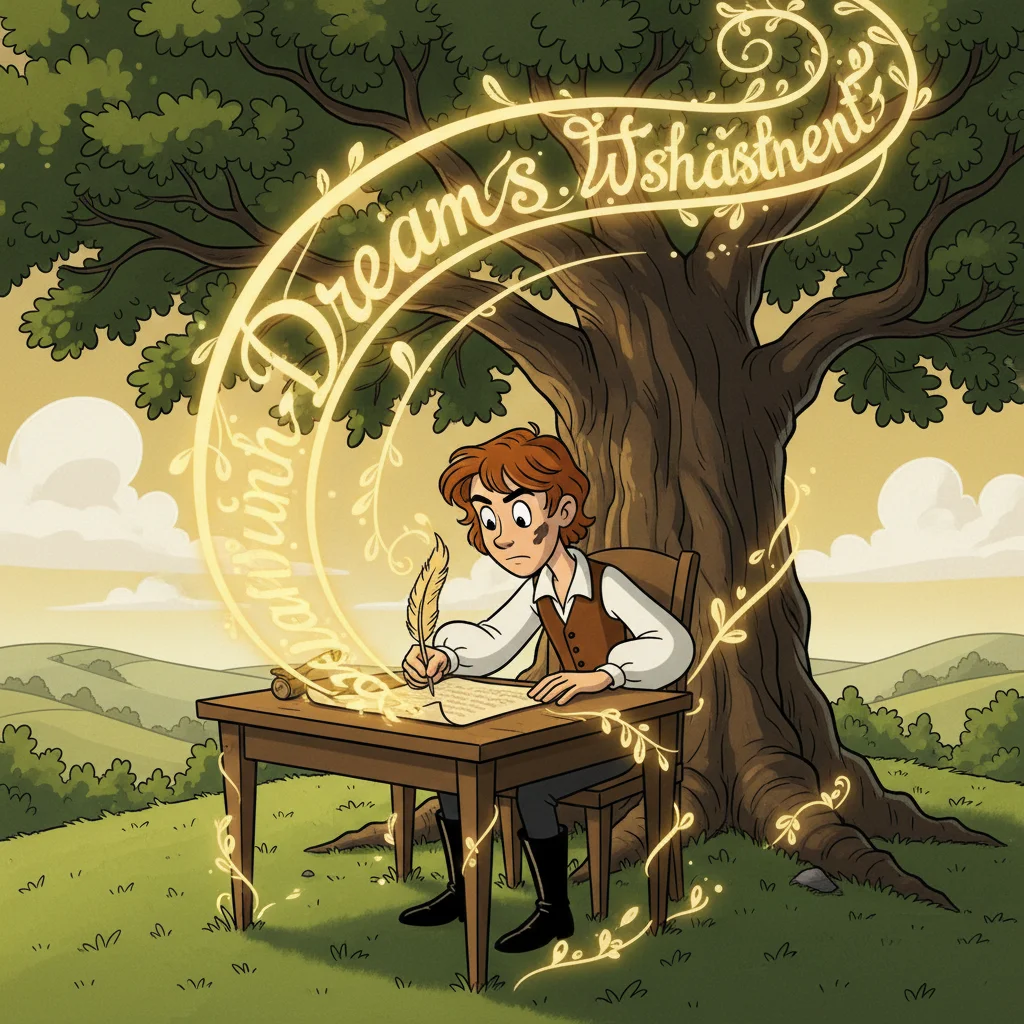
Line: When in eternal lines to time thou growest: Meaning: Because you will live forever inside these lines of poetry that I am writing. Word Guide: Eternal lines (Poetry that lasts forever).
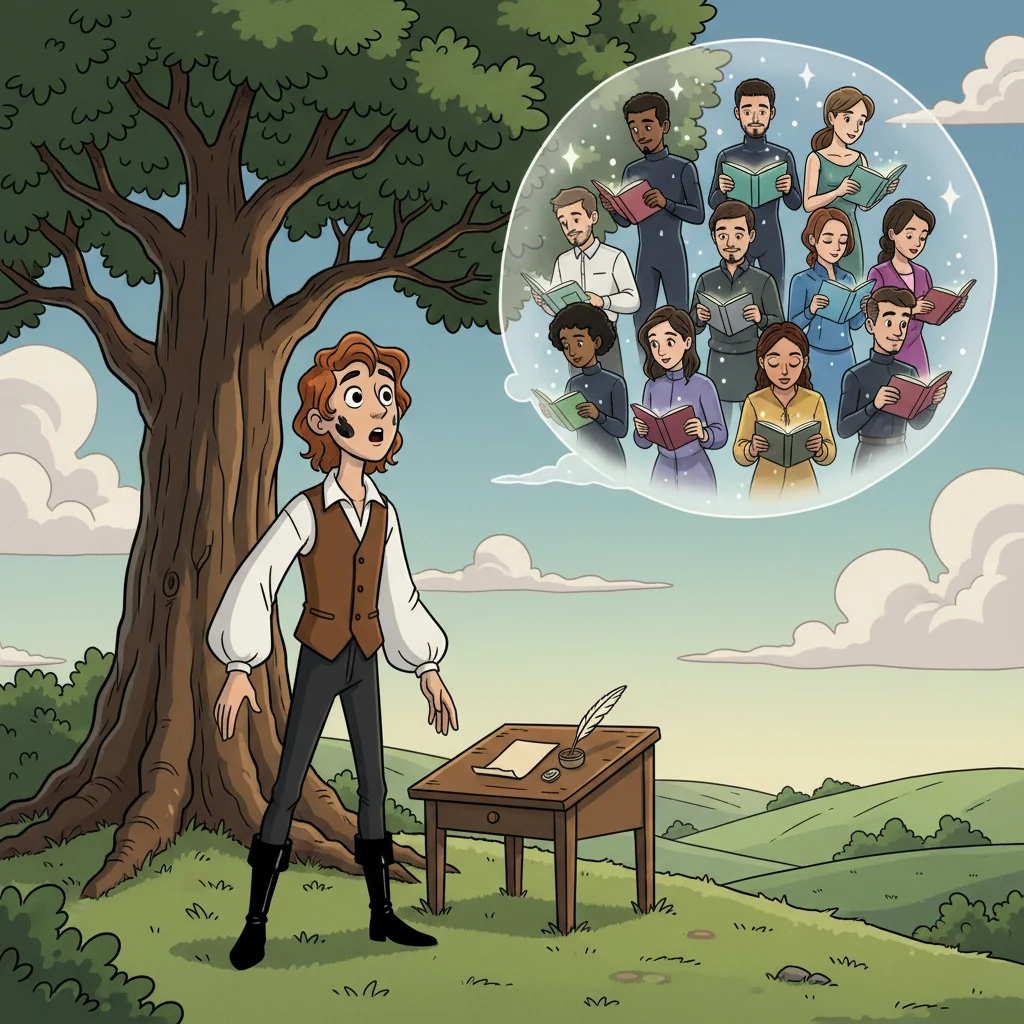
Line: So long as men can breathe or eyes can see, Meaning: As long as people are alive and can read... Word Guide: Men (People/Humans).
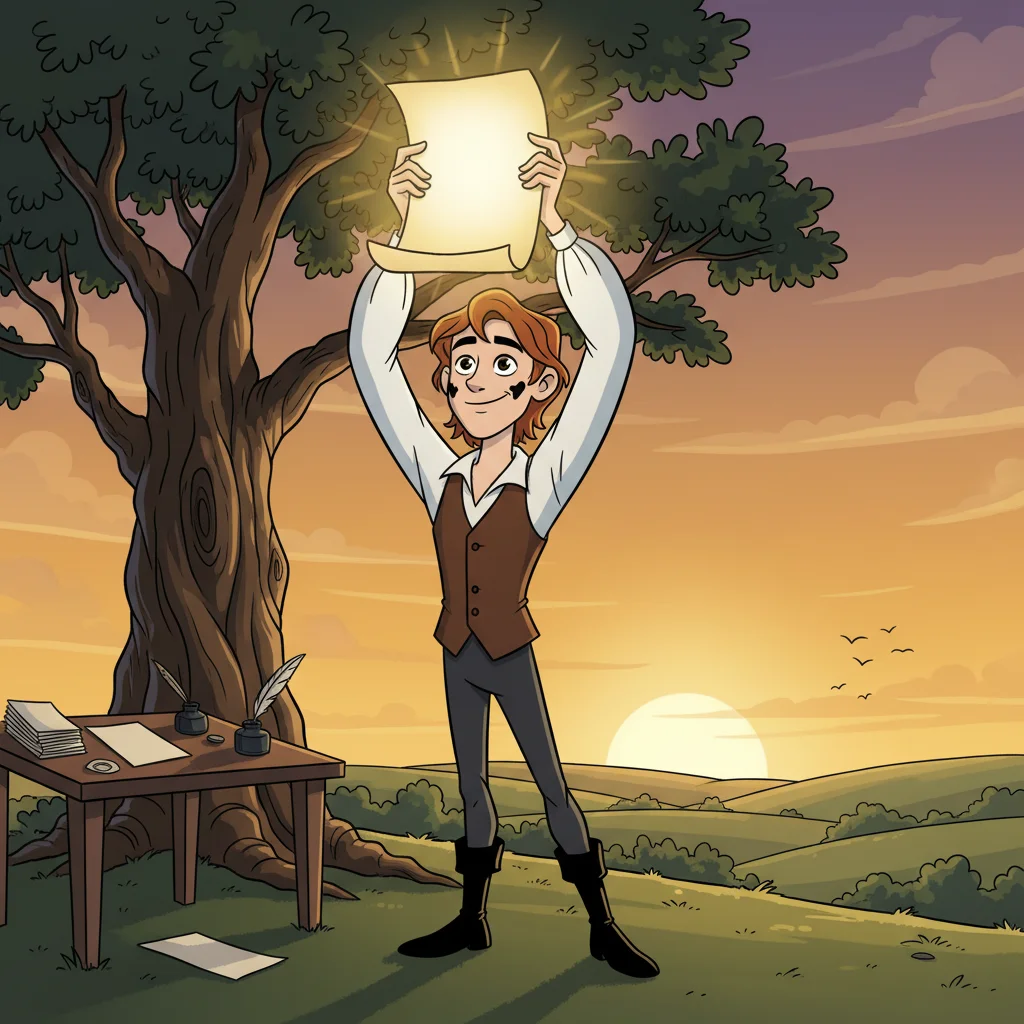
Line: So long lives this, and this gives life to thee. Meaning: This poem will stay alive, and because the poem lives, your memory lives too. Word Guide: This (The poem).
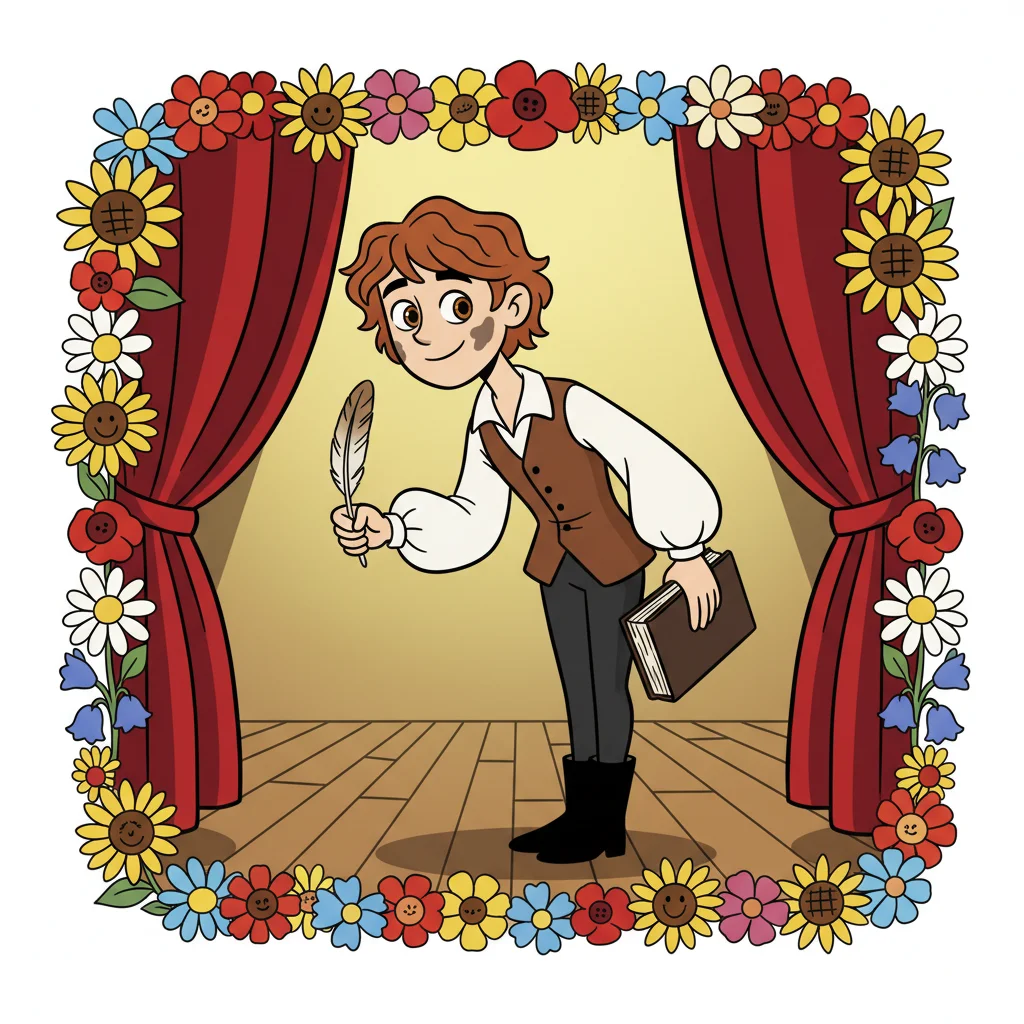
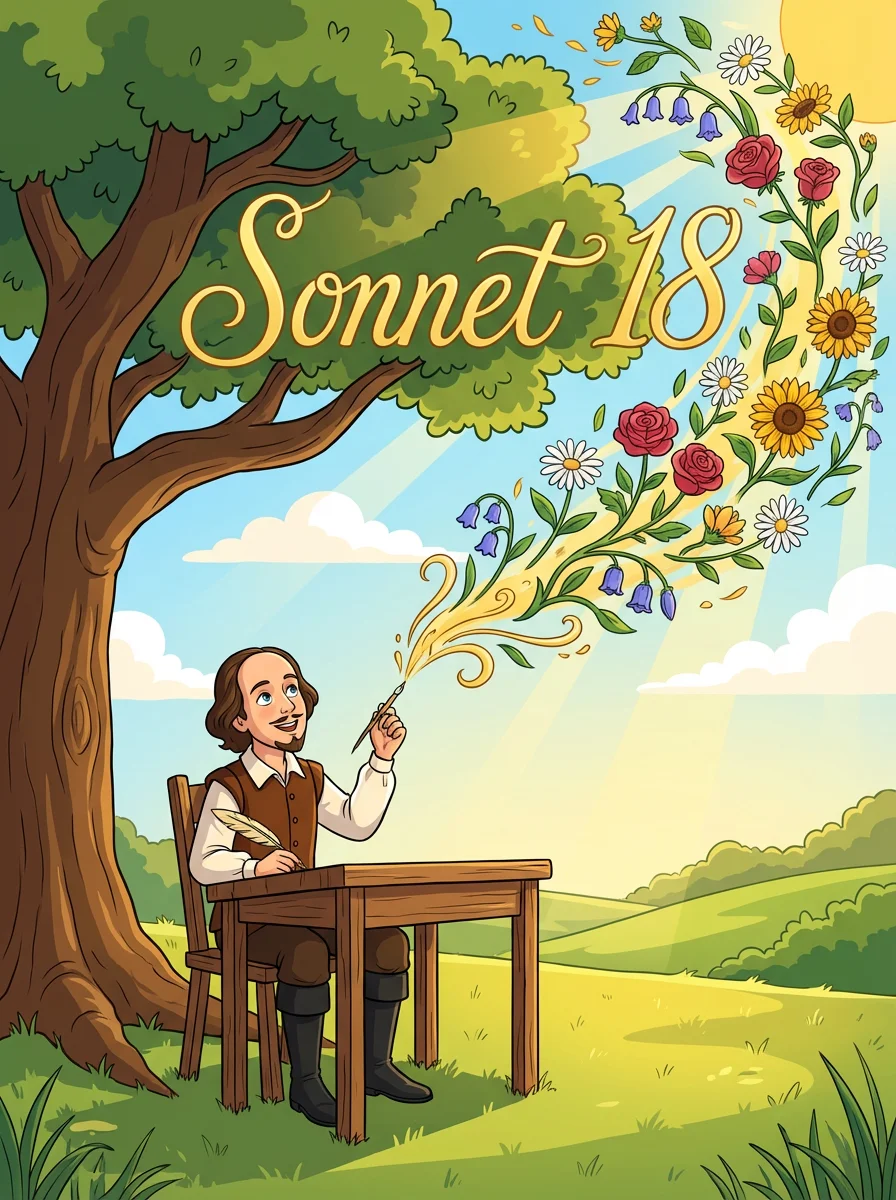
William Shakespeare (1564–1616) was a famous English poet and playwright. He wrote 154 sonnets! Sonnet 18 is his most famous one. It shows how art and writing can make beauty last forever, even longer than a summer day.